· Diego Martínez Núñez · FSMA 204 · 4 min read
FSMA 204 and EUDR: a strategic pause and a timely urgency for traceability in Latin America
The FDA delays FSMA 204 to 2028, but retailers already demand traceability and the EUDR arrives in December 2025. What looks like a regulatory pause is a strategic window to invest.
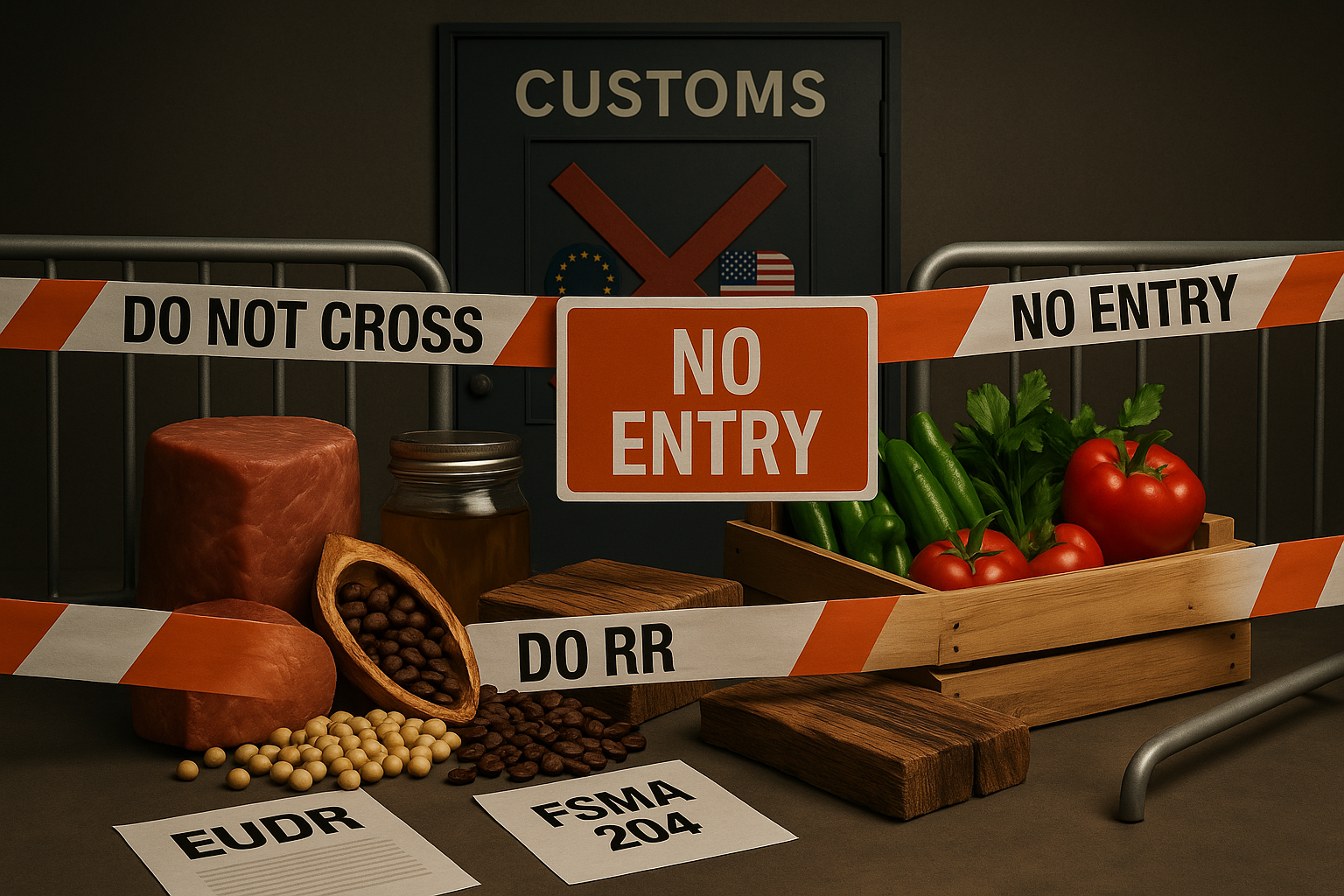
The global food industry is undergoing significant transformation, driven by key regulations such as FSMA 204 in the United States and the EU Deforestation Regulation (EUDR). These rules aim to safeguard food safety and promote sustainability, but they also pose major challenges for businesses, especially producers and exporters in regions like Latin America.
Recently, the FDA announced its intention to delay the FSMA 204 compliance date by 30 months, moving the estimated date to around June 2028. The decision reflects the complexity of the rule and the time needed to ensure full coordination across the supply chain. However, this delay should not be seen as a pause. Rather, it is a strategic opportunity to approach compliance in a more measured way and, crucially, to invest in future-ready traceability. In fact, many retailers around the world are already requiring traceability data from their suppliers, even ahead of the official EUDR or FSMA 204 deadlines.
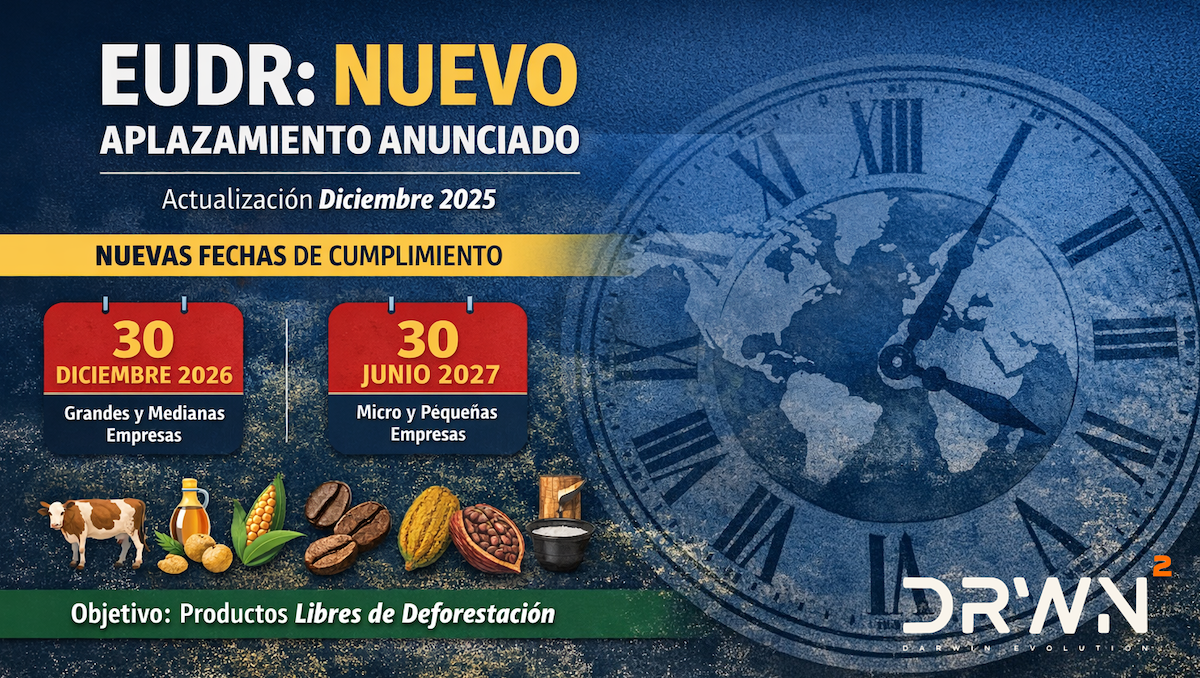
The EUDR, in turn, is a regulation that seeks to reduce the EU’s contribution to global deforestation by ensuring that certain products do not come from land deforested after December 31, 2020. It affects commodities such as palm oil, soy, coffee, cocoa, cattle and rubber, as well as their derivatives. The EUDR enters into force in December 2025 for most companies, with a longer transition period for micro and small businesses. Regardless of the exact entry date for each company type, the time to prepare for the EUDR is far more limited than for FSMA 204.
The EUDR demands rigorous due diligence processes and full traceability to origin, at the farm or plantation level. This is a significant challenge, especially for smallholders in Latin America, who often operate in informal systems with limited digital infrastructure, making it hard to demonstrate compliance. Lack of preparation can result in exclusion from the EU market, despite sustainable practices. The EUDR also requires physical and documentary segregation of compliant and non-compliant products throughout the supply chain; mixing compliant with non-compliant products will cause entire shipments to be considered non-compliant.
Both FSMA 204 and EUDR underscore the urgent need for digitalization and robust traceability in supply chains. Both regulations, although with different focuses (food safety vs. sustainability), require detailed visibility into the origin and journey of the product, and this is something we discussed in our previous post.
For Latin American producers and exporters, the combination of a delay in FSMA 204 (giving more headroom) and the proximity of EUDR (creating immediate urgency) creates a key strategic moment to act. Waiting until the last minute, especially for the EUDR, can create significant challenges. Starting the digitalization process and the implementation of traceability systems now allows for a calmer approach to FSMA 204, while ensuring the readiness needed to meet the EUDR on time and maintain access to key markets such as the EU.
Traditional systems such as ERPs are excellent for managing transactions, which focus on financial aspects and movement records. However, for effective traceability that satisfies both regulators (FSMA 204, EUDR) and consumers, you need to track events. Each harvest, packing, shipment or transformation is an event that provides granular, truthful detail about the product’s history.
This is where a connected products platform, such as the one Darwin Evolution offers, adds fundamental value. Our platform is designed to capture this event-level visibility across the entire supply chain. By integrating data from multiple sources (including existing systems such as ERP, MES, WMS, as well as files or manual entry), we eliminate information silos and create a single source of truth. This enables the seamless data exchange required by regulations and trading partners, and provides the ability to generate sortable electronic reports within 24 hours, as required by FSMA 204.
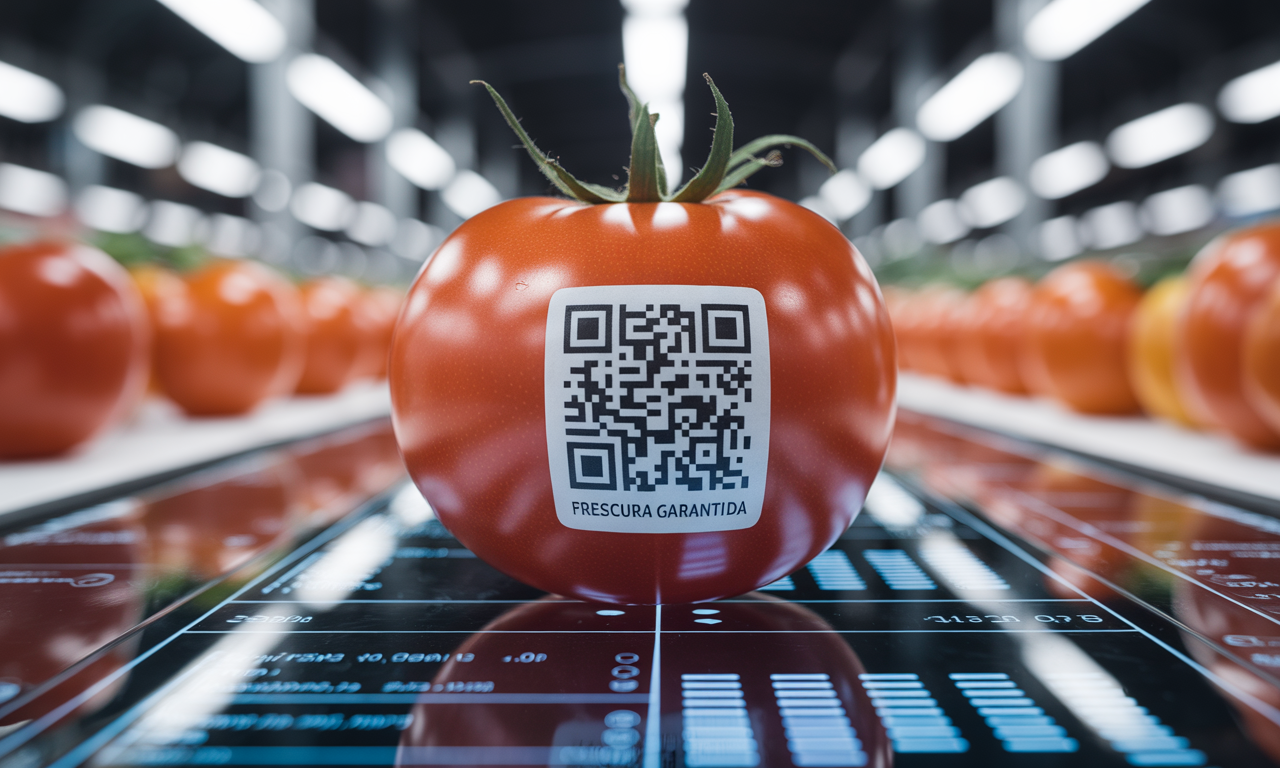
The Darwin Evolution platform helps producers and exporters in Latin America comply with the requirements of FSMA 204 and EUDR, as well as the demands of major retailers around the world. It enables product tracking from origin to consumer, manages segregation of compliant products, and creates immutable records using blockchain that can be easily accessed, for example via a QR code on the packaging to engage the consumer.
Investing now in a comprehensive, future-ready traceability solution not only ensures compliance with current and future regulations, but also unlocks additional value: improved operational efficiency, greater transparency, stronger relationships with suppliers and customers, and the building of consumer trust and loyalty. It turns regulatory challenges into lasting strategic advantages.
The time to act is now. Taking advantage of the FSMA 204 strategic pause and proactively preparing for the imminent EUDR will position Latin American companies as leaders in transparency, sustainability and efficiency in the global market.