· Diego Martínez Núñez · Trazabilidad · 4 min read
Food traceability: beyond regulatory compliance, building consumer trust
Traceability has shifted from logistics requirement to a pillar of consumer trust. Meeting FSMA 204 and EUDR without turning that data into a relationship with the buyer means losing half the value.
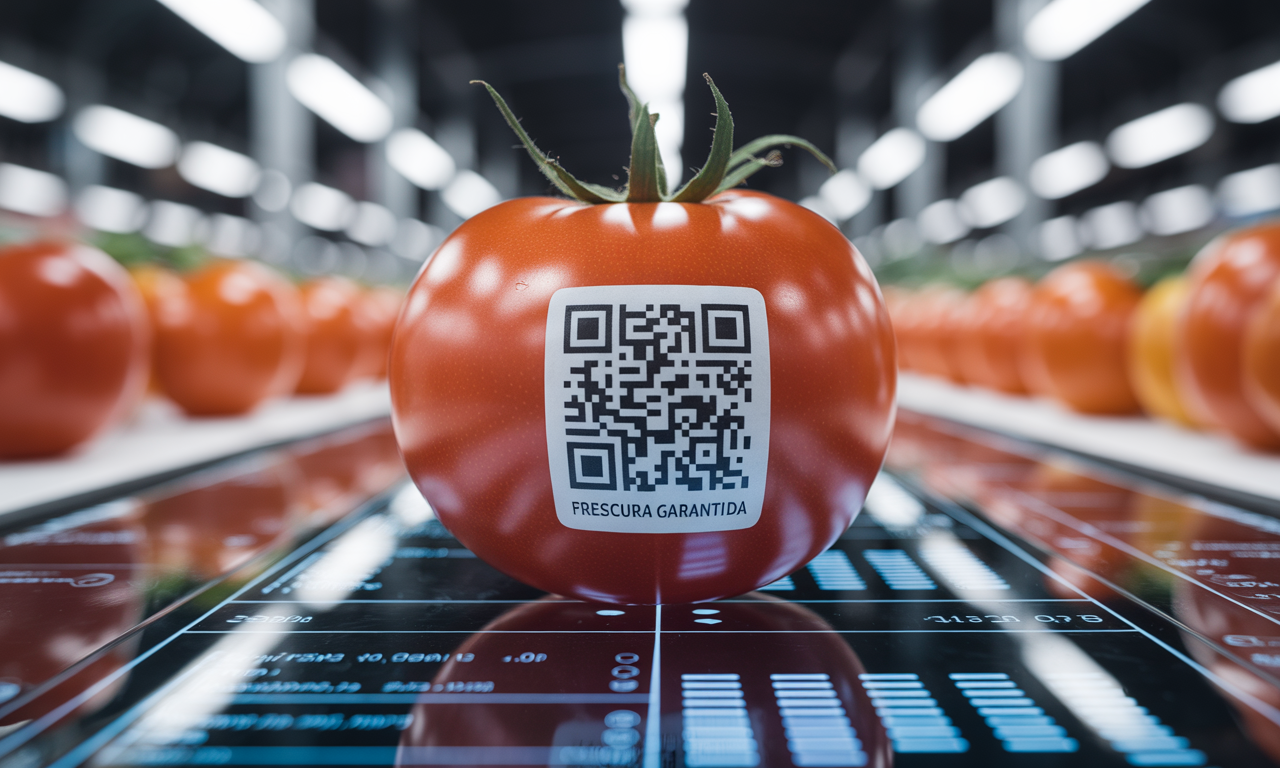
In an increasingly interconnected and aware world, food consumers no longer just look for taste and price; they demand to know the full story behind the products that reach their tables. Traceability has gone from being primarily a logistical or regulatory requirement to becoming a fundamental pillar in building consumer trust and adding value across the entire food supply chain.
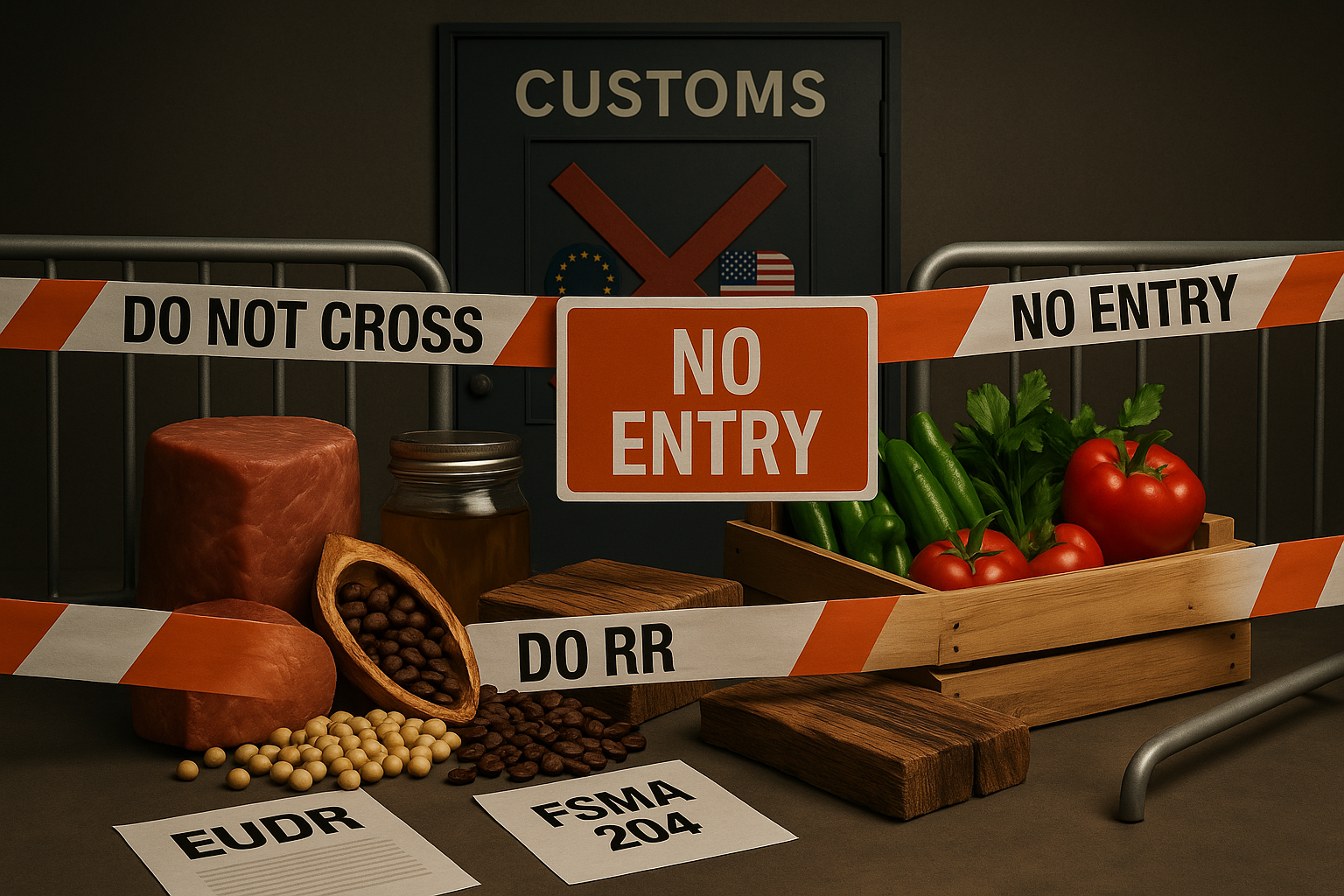
Recent regulations such as FSMA 204 in the United States and the EU Deforestation Regulation (EUDR) are dramatically raising traceability expectations and requirements for companies operating in or exporting to these markets. While these rules aim to ensure food safety and sustainability, the true potential of traceability is unlocked when this information is made accessible and understandable for the end consumer.
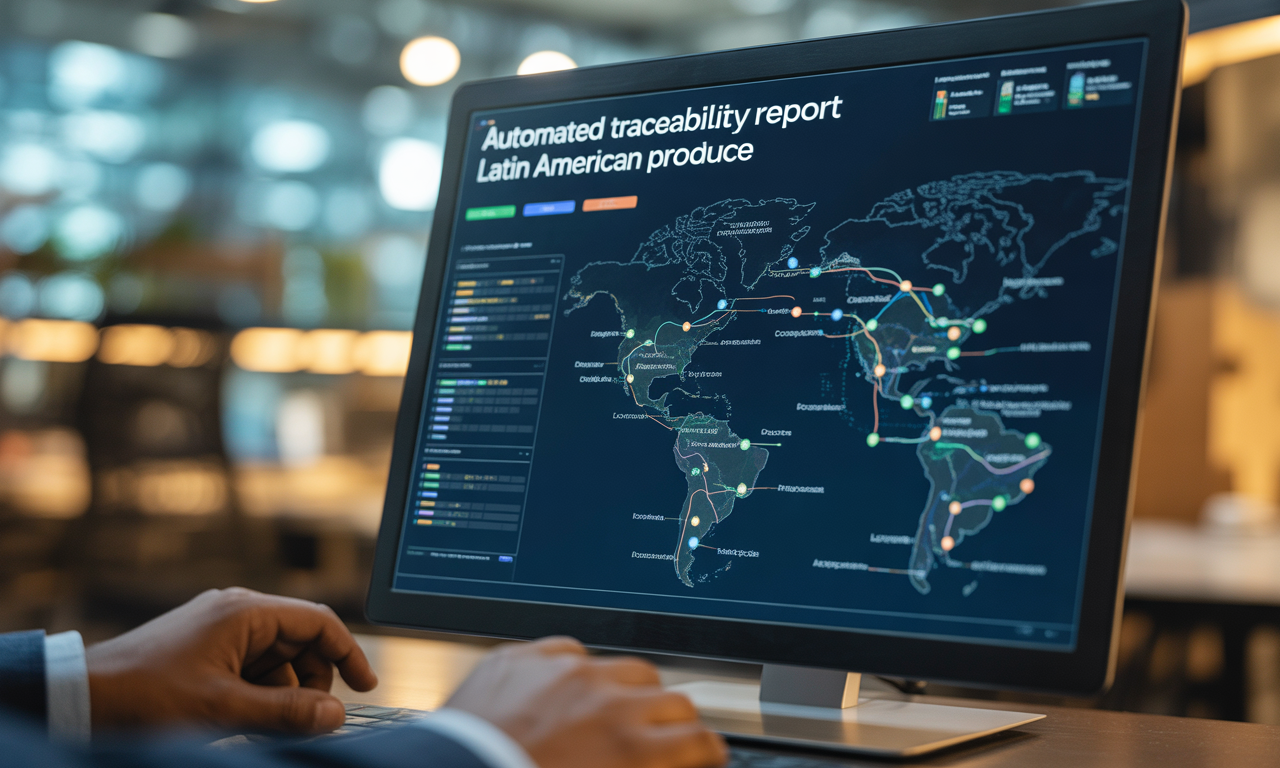
While traditional systems such as ERPs are mainly designed to track transactions that get reflected in financial books, effective traceability, especially the kind that matters to the consumer, requires tracking events. Every scan, movement, transformation or interaction a product goes through is an event. Events are more detailed, more granular and more accurately reflect the real lifecycle of a product.
A connected products platform, such as the one Darwin Evolution offers, goes beyond transaction management to capture this event-level visibility. By integrating data from multiple sources (ERP, MES, WMS, files, manual entry, APIs), these platforms eliminate information silos and create a single source of truth along the supply chain.
Why is this detailed visibility crucial for the consumer?
- Guaranteed safety and quality: in the event of a product recall or food safety issue, accurate traceability allows affected lots to be quickly identified and isolated, minimizing risk to public health. Consumers feel safer knowing that suppliers can act quickly and precisely. In addition, traceability data combined with quality information (such as temperature and humidity monitoring via IoT) can inform decisions on logistics and storage to improve product freshness and quality at the point of sale.
- Transparency and known origin: modern consumers want to know where their food comes from. “Farm-to-table” or “origin-to-consumer” traceability makes it possible to share verifiable information about harvest or processing location, growing practices (such as sustainable certifications) and the journey of the product. This transparency answers the growing demand for information about origin and production conditions.
- Trust and brand loyalty: a company’s ability to provide clear and accessible information about its products builds trust. In a competitive market, supply chain transparency becomes a key differentiator and can drive preference for a brand. Consumers are willing to pay more for products with sustainable origins and a transparent story.
- Empowering informed decisions: by putting relevant information within reach of consumers, often through a simple QR code scan on the packaging, they are empowered to make purchasing decisions aligned with their values, whether health, environmental or ethical. They can access details about origin, certifications and even additional nutritional information or recipe ideas.
A platform like Darwin Evolution simplifies this complexity, enabling the unification of data events across borders, suppliers and market actors. We offer product verification services through traceability, allowing producers and other actors to upload key product information to interact with certification bodies and, crucially, with customers. By recording assets on a blockchain, immutable records are created that can be easily accessed via a QR code, with no special app required. This not only protects the brand and customer loyalty but also fights counterfeiting and enables new sales strategies.
Regulatory compliance is the starting point. Next-generation traceability solutions, powered by connected data platforms, unlock additional value by fostering transparency, improving operational efficiency and strengthening relationships with trading partners. For consumers, it means access to the full story of their food, building a relationship grounded in information and trust.
At Darwin Evolution, we believe the time to invest in traceability is now. Preparing proactively not only secures compliance, but also positions companies as leaders in sustainability and transparency, responding to the demands of an increasingly informed and demanding consumer.