· Diego Martínez Núñez · Resources · 4 min read
Digitalization in Latin American agriculture: the inevitable path to exports and global compliance (FSMA 204, EUDR)
For Latin American producers and exporters, digitalization is no longer optional. FSMA 204, EUDR and global retailers are redefining the requirements for market access.
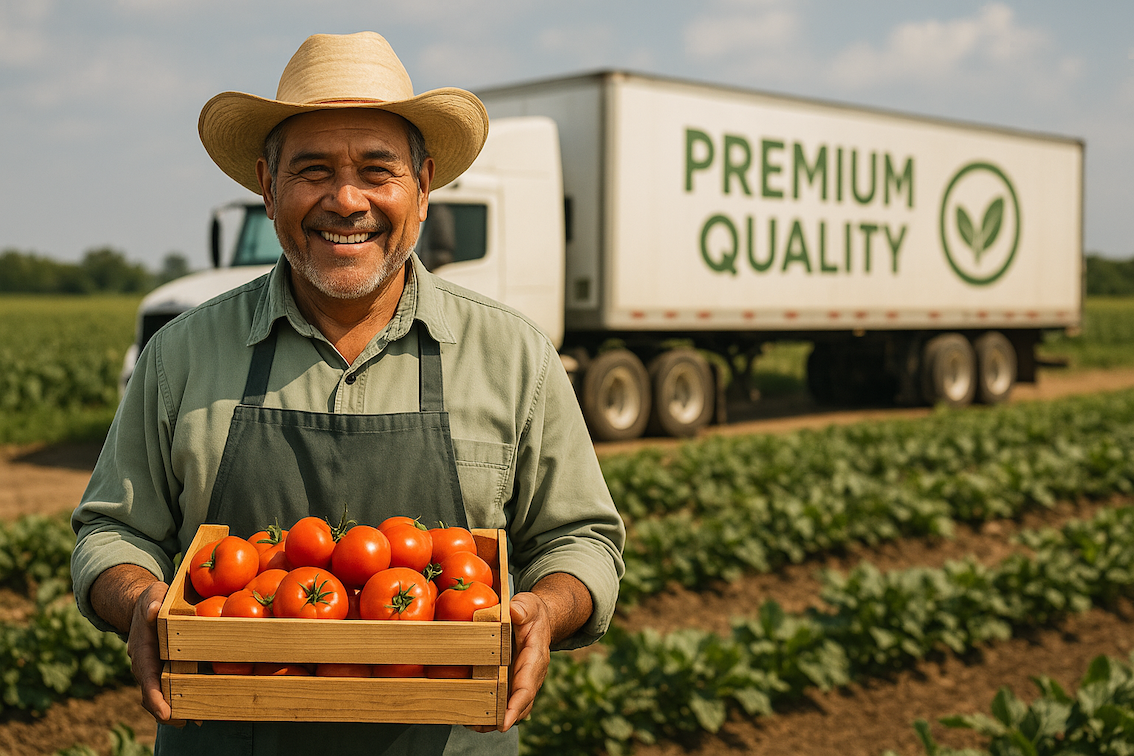
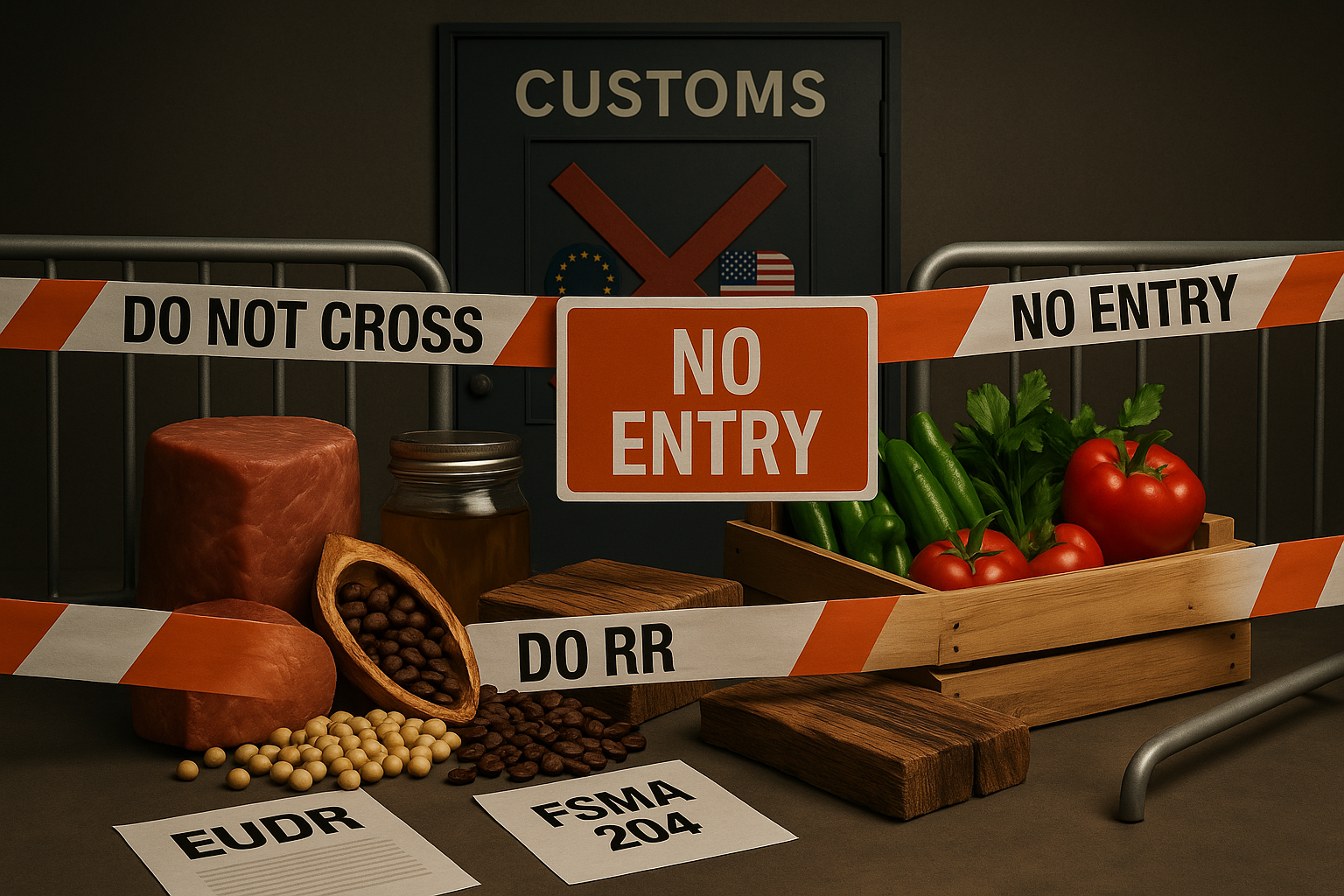
The global trade landscape is changing fast, driven by growing awareness of food safety and environmental sustainability. Key regulations such as the Food Safety Modernization Act 204 (FSMA 204) in the United States and the EU Deforestation Regulation (EUDR) are redefining the requirements for foods entering these vast markets. For Latin American producers and agricultural companies with export ambitions, digitalization is no longer an option, it is a fundamental necessity.
The FDA’s FSMA 204 aims to prevent foodborne illness by improving the ability to identify and remove contaminated products quickly during outbreak investigations. The rule requires companies that manufacture, process, pack or hold foods on the Food Traceability List (FTL) to maintain and share records containing Key Data Elements (KDEs) associated with Critical Tracking Events (CTEs). These records must be available to the FDA within 24 hours of request.
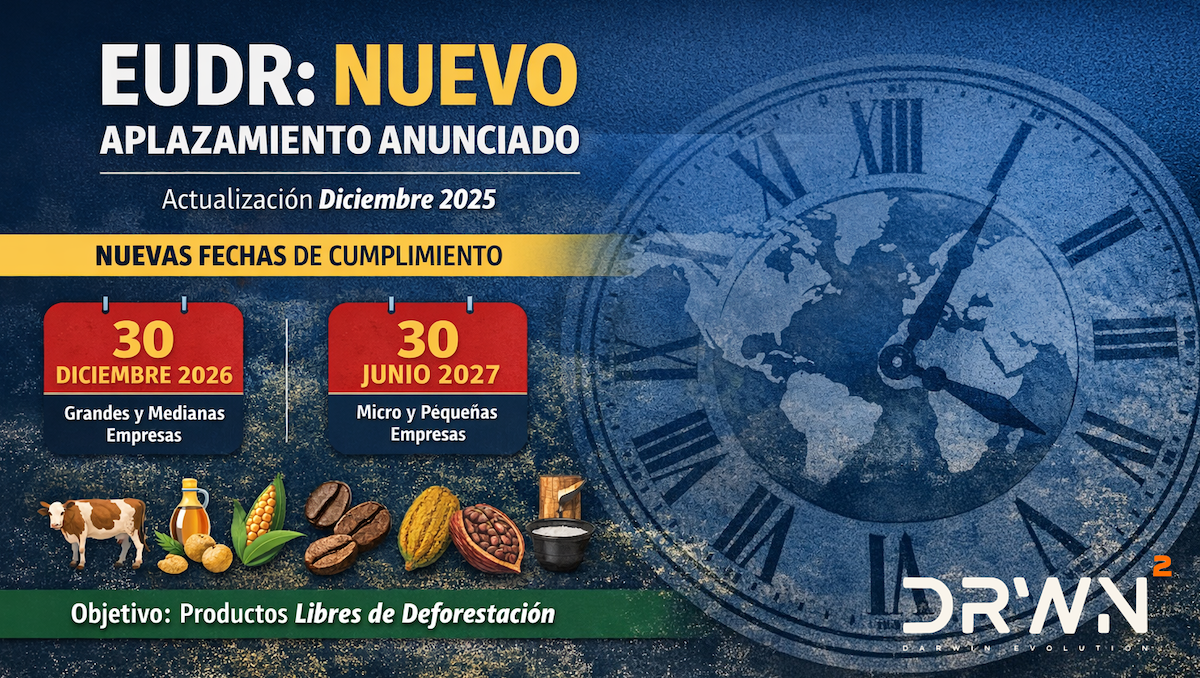
The EUDR, in turn, aims to reduce the EU’s contribution to global deforestation by ensuring that certain commodities and their derivatives do not come from land deforested after December 31, 2020. The regulation demands rigorous due diligence and traceability down to the specific plot where the product was grown, requiring geolocation data.
For Latin American producers and companies, complying with these standards presents significant challenges. Many operate in informal systems, with limited digital infrastructure, fragmented documentation (such as land titles) and complex supply chains with multiple intermediaries. Collecting, verifying and managing accurate data at the plot or batch level, and exchanging it efficiently along the chain, can be extremely difficult without the right digital tools. The risk of non-compliance is exclusion from the market.
Beyond government regulation, the world’s largest retailers are already demanding traceability levels similar to FSMA 204 from their suppliers, often ahead of the official deadlines. They want greater visibility and the ability to give preferential treatment to suppliers who can deliver this level of traceability.
This is where digitalization becomes indispensable. Digital tools allow Latin American producers to capture accurate data at origin (at the farm or plot level), manage documentation, run risk assessments and share information efficiently with the next actors in the chain. A robust digital strategy is key to viable, effective commercial operations while also meeting regulatory requirements.
Traditional systems such as ERPs, while essential for financial transactions, are not designed for the detailed event-level traceability these regulations demand. To track every scan, movement, transformation or interaction of a product at a granular level, you need a connected products platform or a dedicated traceability solution.
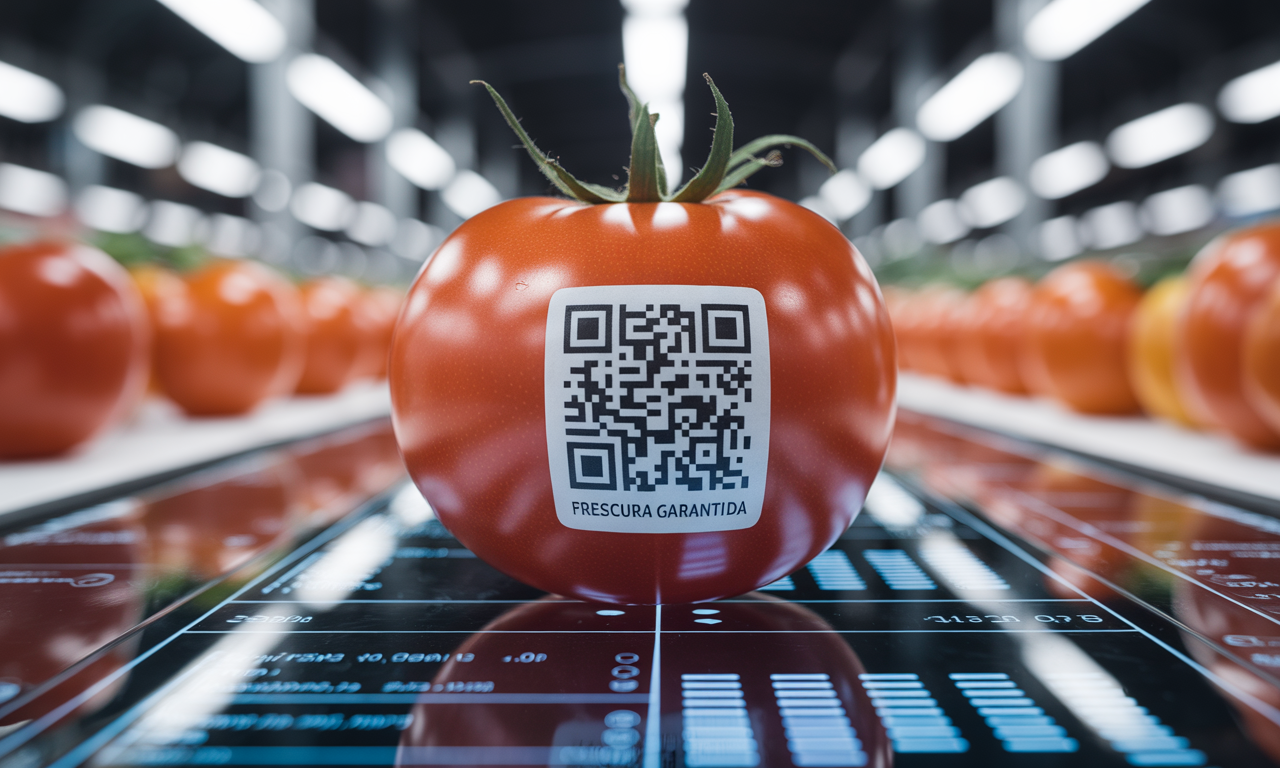
A comprehensive traceability platform, such as the one Darwin Evolution offers, is built to address these specific challenges. Our solution simplifies complex supply chains, unifying data events across borders and market actors. It enables data collection from multiple sources (including manual upload, Excel/CSV files, APIs). Data is stored securely for more than two years and is available to customers and suppliers. It also offers digital certification (on Blockchain) and enables engagement with the end consumer through QR codes on packaging, sharing the product’s story.
For Latin American producers, adopting this technology means not only meeting the requirements of FSMA 204, EUDR and retailers, but also unlocking additional value:
- Greater operational efficiency: better data and process management.
- Improved transparency: building trust with partners and consumers.
- Market access and expansion: securing entry into key markets such as the EU and the U.S. and meeting demand for sustainable products.
- Stronger relationships: better data exchange with customers and suppliers.
- Consumer trust: sharing the origin and story of the product.
The road to exports and global compliance runs inevitably through digitalization. Ignoring this trend not only puts access to lucrative markets at risk, it also limits the ability to optimize operations and build long-term trust-based relationships. Darwin Evolution is the leading traceability partner in Latin America, ready to help producers in the region navigate these challenges and turn them into strategic opportunities.
The time to invest in digitalization and the traceability of the future is now. Get ready to export more, comply with regulations and strengthen your business in the global market.